[ NEW BIKES ]
5 BIKES THAT REALLY MATTER THIS MONTH
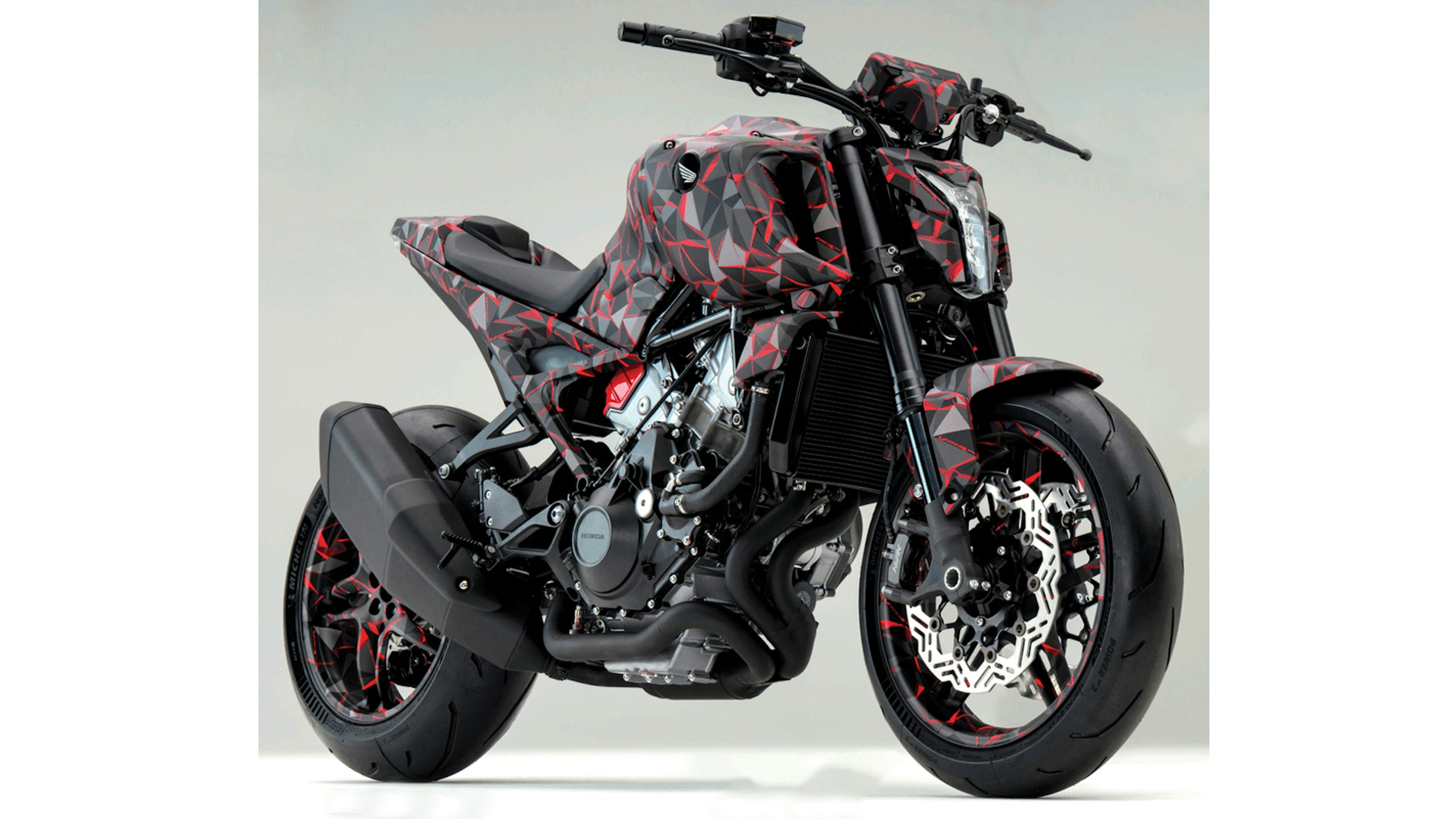
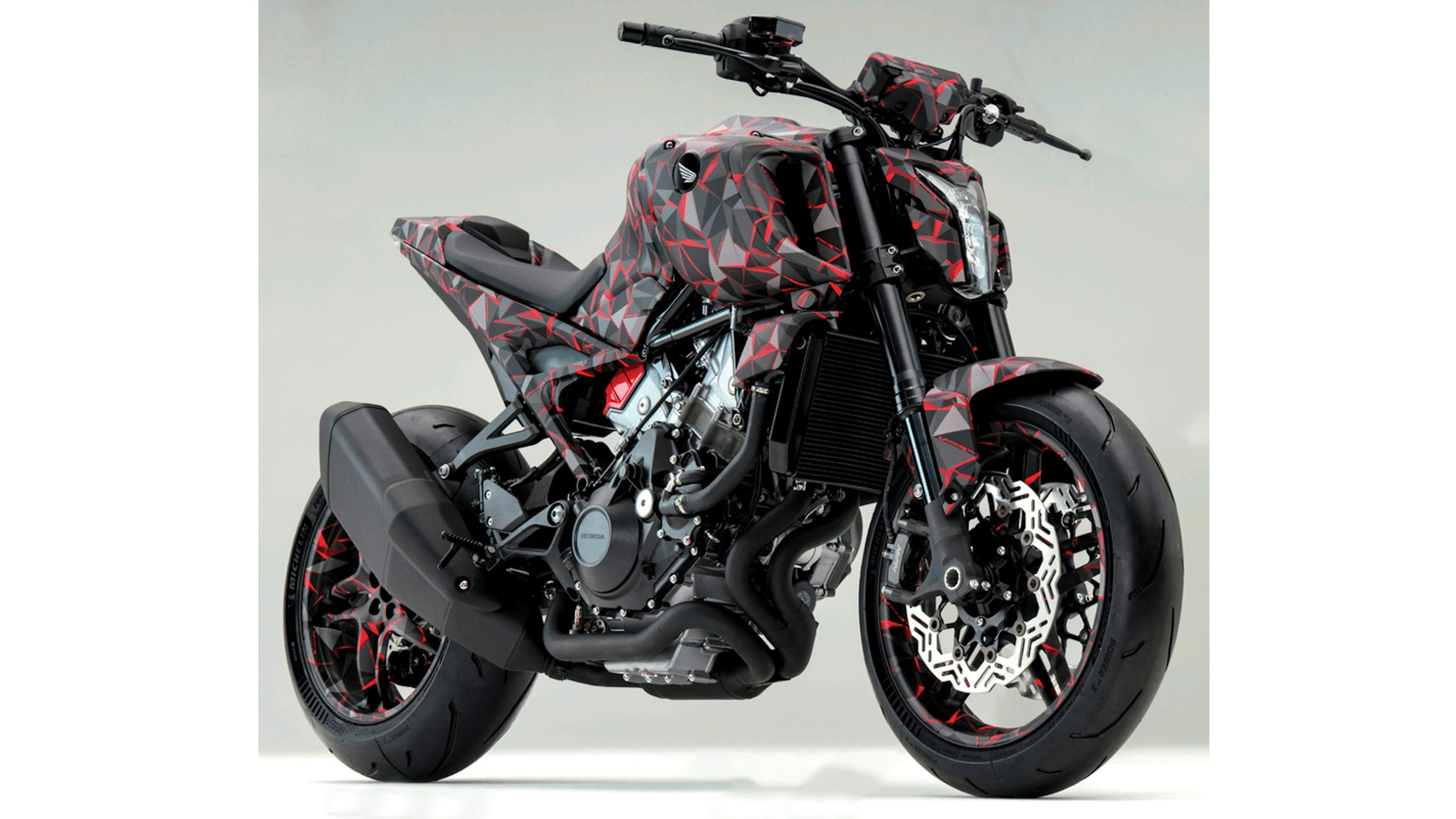
Electronically supercharged Honda V3R 900 prototype could be a 140bhp, 60mpg monster with humungous torque
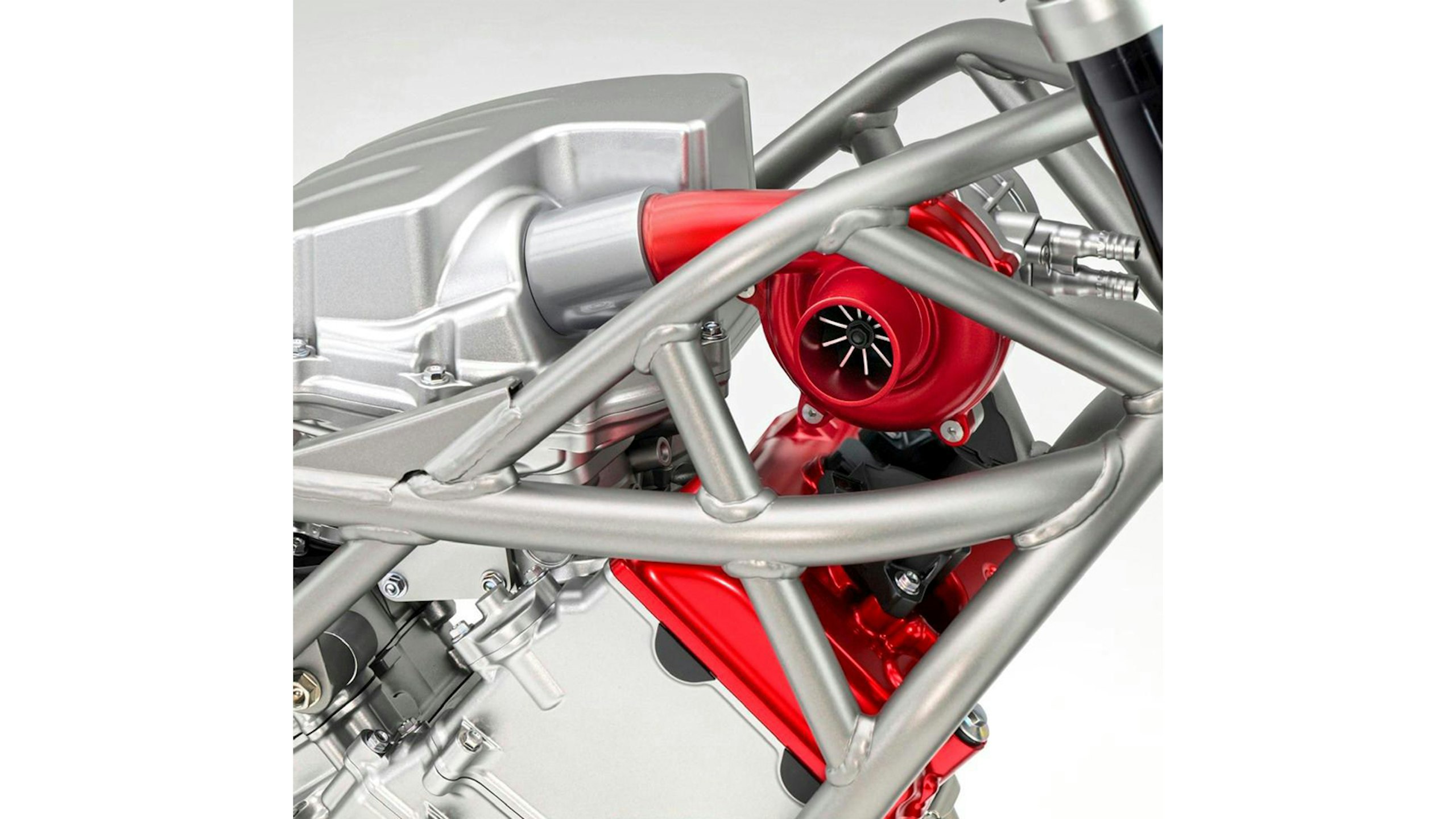
ELECTRIC SUPERCHARGER
Made by Garrett, this sits behind the headstock and pressurises the air going to the throttle bodies, increasing the energy of each charge. Result: more power. And because the supercharger is independent of engine speed, it means you can get a huge boost at low revs.
LEVEL OF FINISH
Honda describe it as a prototype, but the headlight detailing, panel fit and neat cable routing smacks of a pre-production test mule. Expect the real thing by the end of 2026.
V3 ENGINE
The first four-stroke V3 in a bike (though Honda have made a couple of V3 two-strokes). It’s 900cc and water-cooled, with 75° between the cylinder banks, two cylinders facing forward and one rearwards. The rear cylinder is central, so the configuration should make it very slim between the knees.
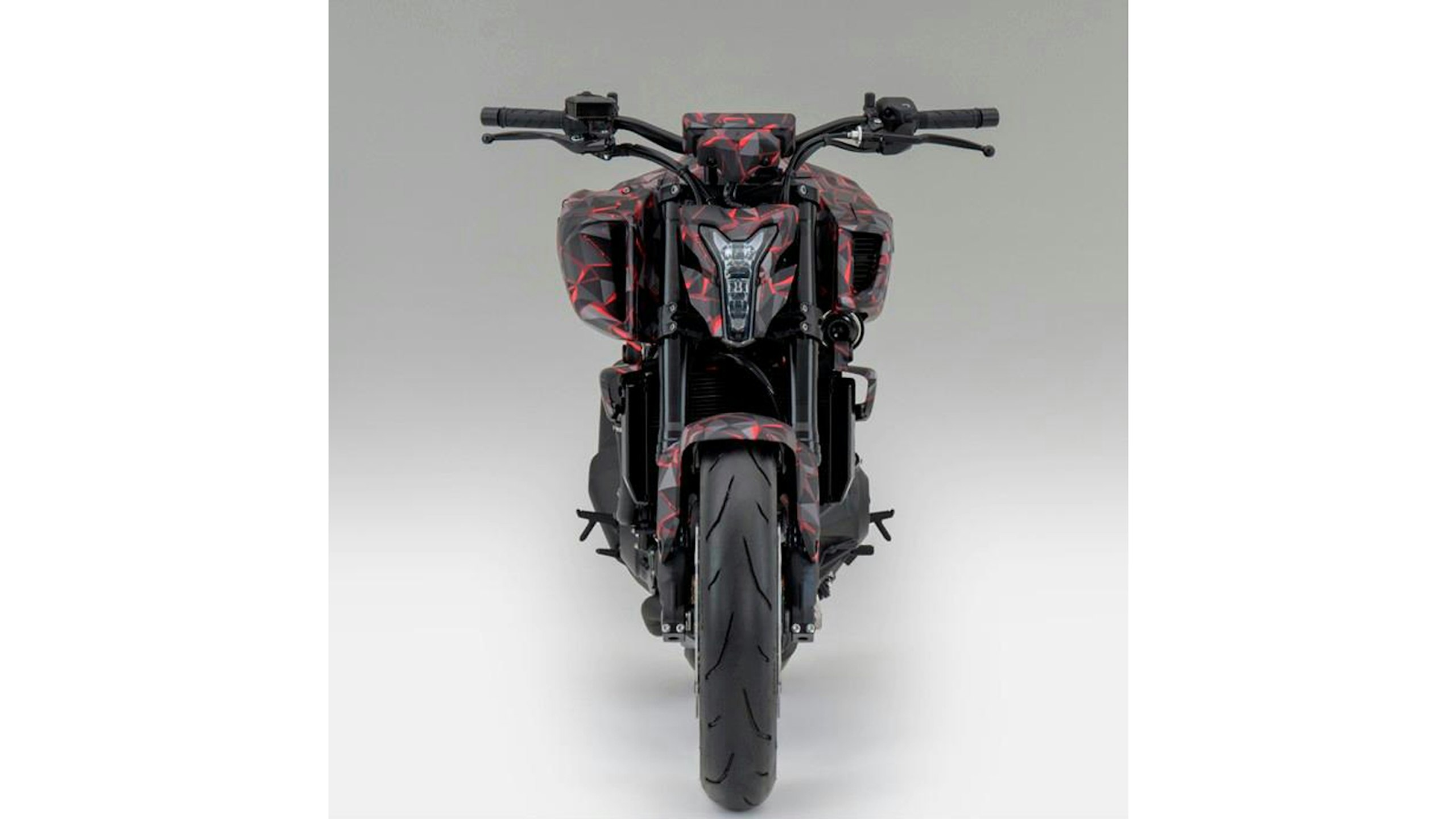
ASYMMETRIC BODYWORK
Right-hand side fairing is larger as it houses the air intake that funnels directly into the supercharger.
Honda have confirmed their electronically supercharged V3 will boast ‘performance on a par with a 1200cc engine despite its 900cc displacement’. Besides new photos of the prototype you see here, Honda revealed no more info, but this statement is rich with exciting implications.
First, the ‘performance’ Honda refer to is likely to mean low and midrange torque, because that’s what they bang on about in the blurb and that’s what electric superchargers are good at.
‘It gives them options to tailor the torque curve,’ says Bike’s tame Professor of Engines, Jamie Turner, ‘which is what Ferrari do [in their 1200bhp F80 supercar].’ This is because an electric supercharger runs independent of engine speed – unlike a conventional one driven from the crank – so Honda can wind up the boost even from extremely low engine speeds.
The V3R is therefore unlikely to match the 180bhp peak power of Triumph’s Speed Triple 1200 RS, but instead should make more torque at even lower revs – which is saying something given the Triumph knocks out a beefy 94lb·ft (up at 8750rpm). Second, the midrange could be incredible too, for similar reasons. And while Honda’s videos show the V3R pulling huge wheelies on a track, it’s clearly not an out-and-out supernaked. A normally aspirated 900 triple such as Yamaha’s MT-09 makes 117bhp, so it’s fair to assume the V3R will make at least 140bhp.
Third, Honda’s claims imply the supercharger delivers relatively low peak boost, which means fuel economy should be excellent. The reasons are complicated – so over to Jamie…
‘To get a 33 per cent increase in output [1200cc performance from 900cc], you need to put in 33 per cent extra air and fuel. With boosted engines that means increasing the air density by that amount, and when you compress air its temperature goes up which works against you. The amount temperature goes up is a function of something we call adiabatic efficiency – which also dictates how much power the supercharger will consume.
‘It’s unlikely to match a Speed Triple’s 180bhp, but will make a lot more torque at far lower revs’
‘Honda’s cleverness is to use a centrifugal compressor. These have high efficiency, and at relatively low boost won’t consume much power. These factors mitigate the need for an intercooler, too. Plus the supercharger is electronically driven, which allows a smoothing out of supercharger power demand via a battery in stop-and-go situations.
‘Also, smaller, boosted engines have lower friction and lower throttling losses at light loads, improving real-world fuel economy. All this is well known from car engine “downsizing”.’
Honda’s V3R production bike is likely to arrive in 2027. The prototypes look remarkably well finished rather than 3D-printed lash-ups, so it’s likely to be unveiled at the end of next year.
Head into stores to grab your latest issue, or why not subscribe to Bike Magazine and get your first 6 issues for only £19.99! What are you waiting for?