The original Trident
The Trident name goes back to autumn 1968 and the launch of the Trident T150 – the world’s first superbike
By Mike Armitage Photography Bauer Archive
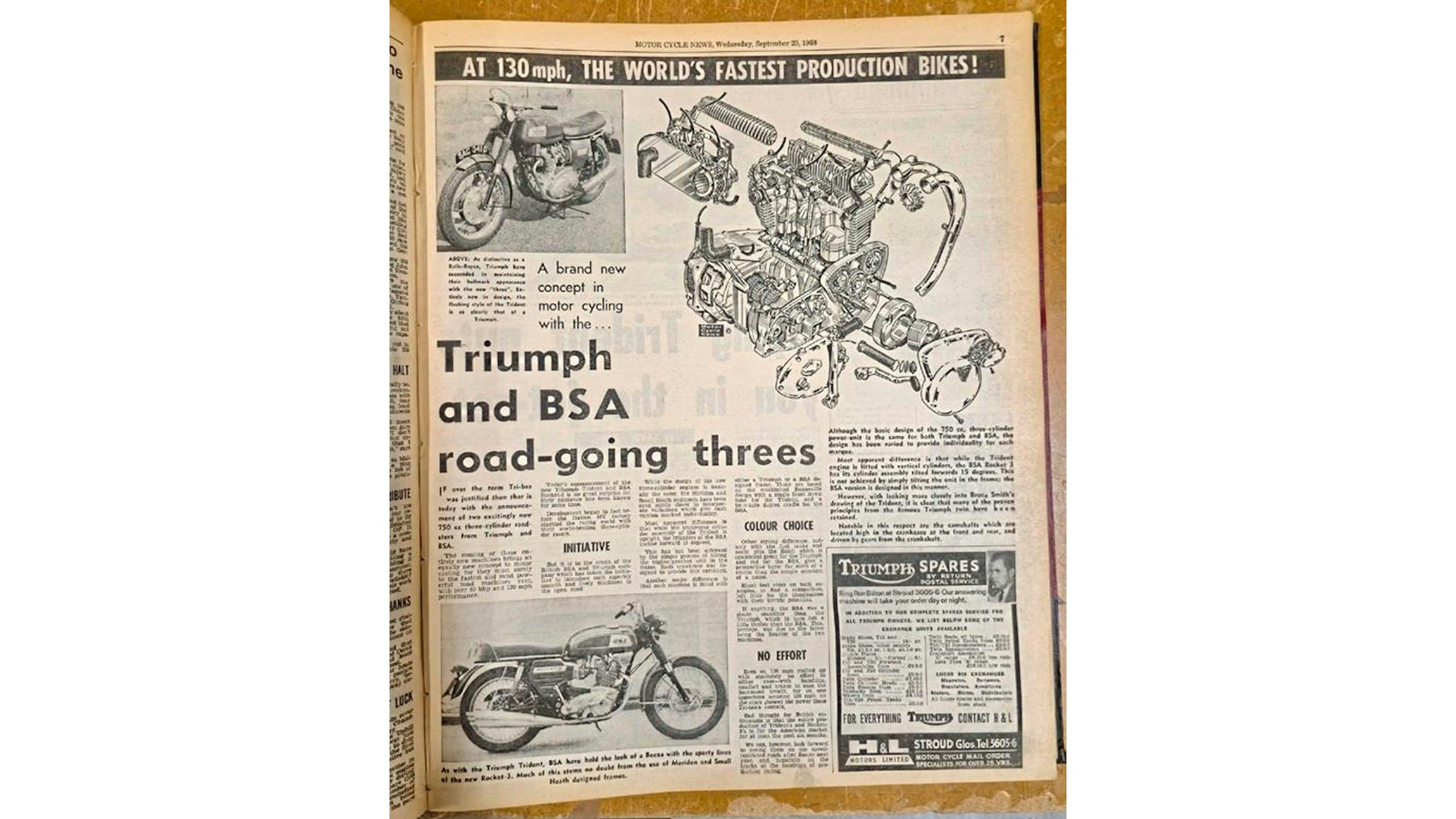
‘The most explosive motorcycle to sear up the highway in two-wheeled history.’ Not a phrase likely to be deployed after riding the latest Trident 800, no matter how fine it clearly is. But this is how Motorcycle News described the original Trident on 25 September 1968. Boasting 60bhp from its 740cc inline three and a top speed of 130mph, this ‘brand new concept in motorcycling’ was the world’s fastest production motorcycle. The superbike had arrived.
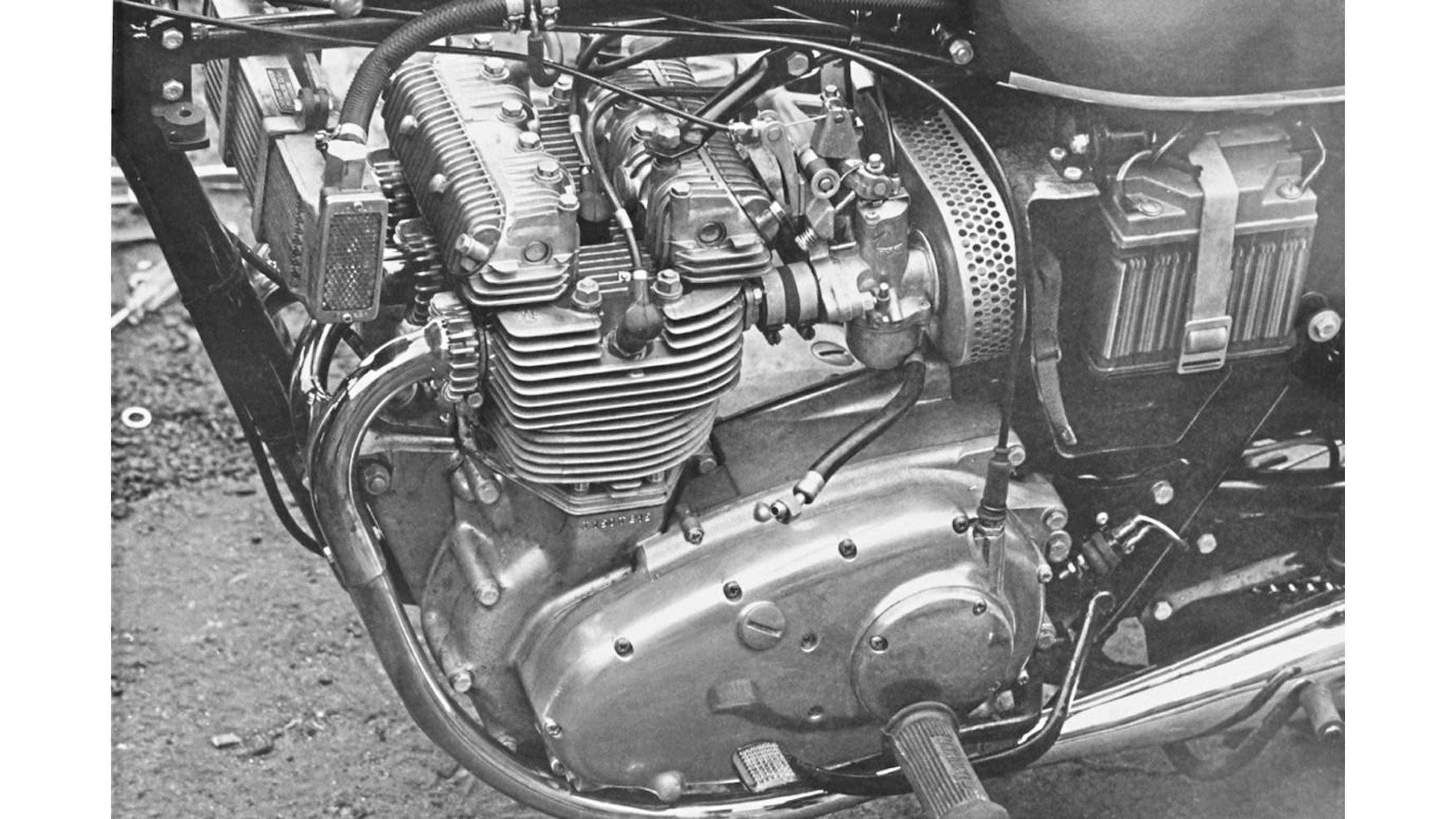
There wasn’t anything revolutionary in the Trident. Its designers Bert Hopwood and Doug Hele created the three-cylinder engine using established Triumph methods. The engine was basically a ‘Tiger and a half’ – the ageing 498cc T100 twin with another pot – and shared its bore and stroke with the TR25W single. The frame was a beefed-up Bonneville, and the basic control layout dated back to pre-war times. Number of cylinders aside, the only real newness was the Trident’s styling. Design company Ogle (they of the Raleigh Chopper) gave it a square tank and ray-gun silencers that made it as ‘distinctive as a Rolls-Royce’, according to MCN.
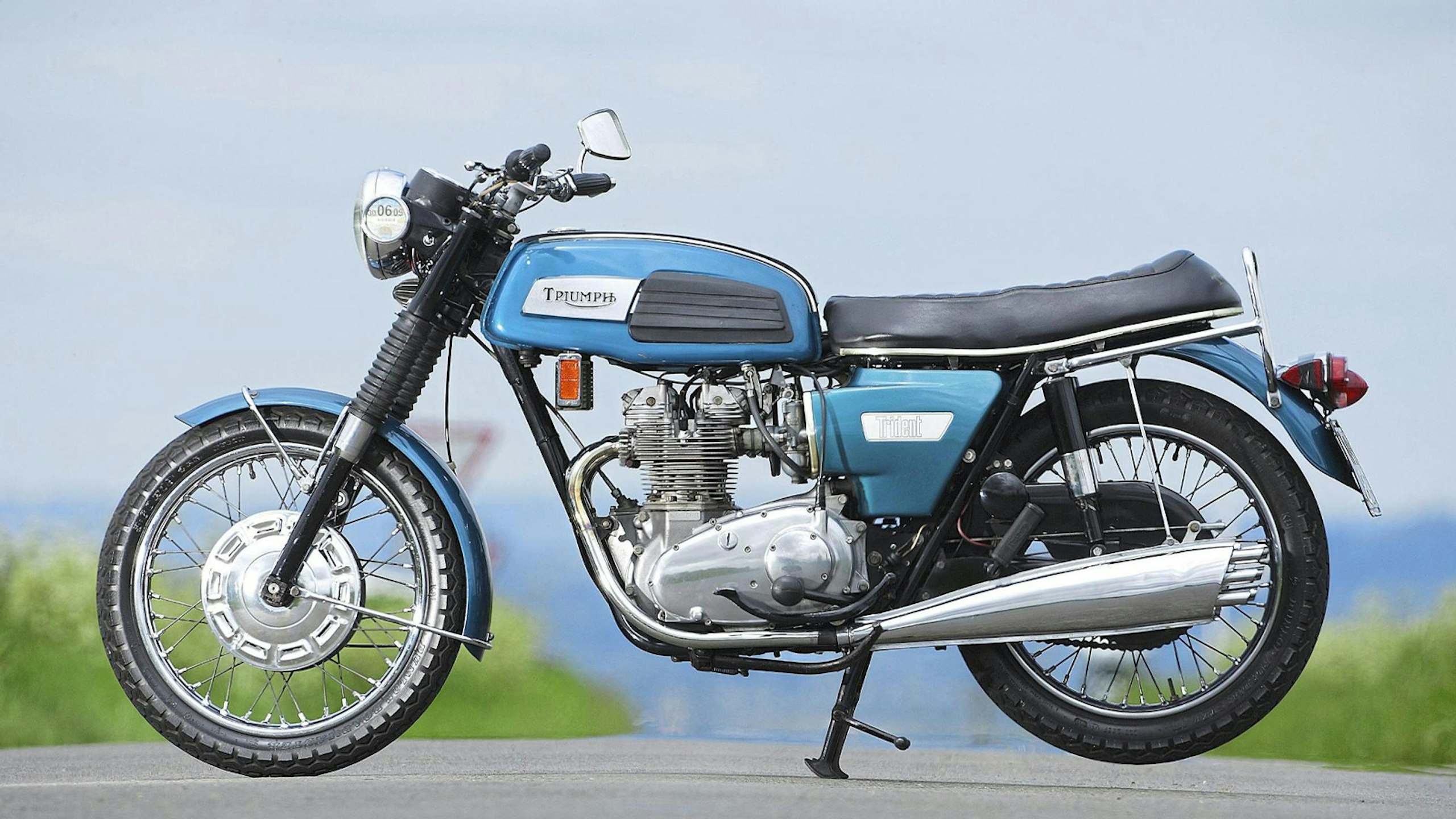
But that cylinder count delivered. The 240° firing intervals meant unprecedented smoothness and a compelling exhaust note. The 8000rpm limiter made owners of plodding Brit singles wince. And it was fast: ‘the Trident thrusts you back so much, you cannot reach forward to pull in the clutch and grab another gear,’ raved tester Gavin Trippe.
The Trident became biking’s new benchmark – for one month. On 25 October 1968, Honda revealed their new four-cylinder CB750 at the Tokyo Motor Show.
Triumph knew about the threat from Japan. Their famous designer Edward Turner visited Honda, Suzuki and Yamaha in 1960, his report declaring it ‘a dynamic experience and a somewhat frightening spectacle’. Some people reacted. In 1963, Hele and Hopwood drew out what a three-cylinder version of existing motors might look like. Four years later, Hopwood designed a family of high-performance short-stroke engines with double overhead cams, including a 343cc triple and 458cc inline four. None made it off the drawing board, Triumph instead trudging on regardless with established twins. But when whispers of a new multi-cylinder Japanese bike filtered through, the three-cylinder sketch was dusted off – and became the Trident.
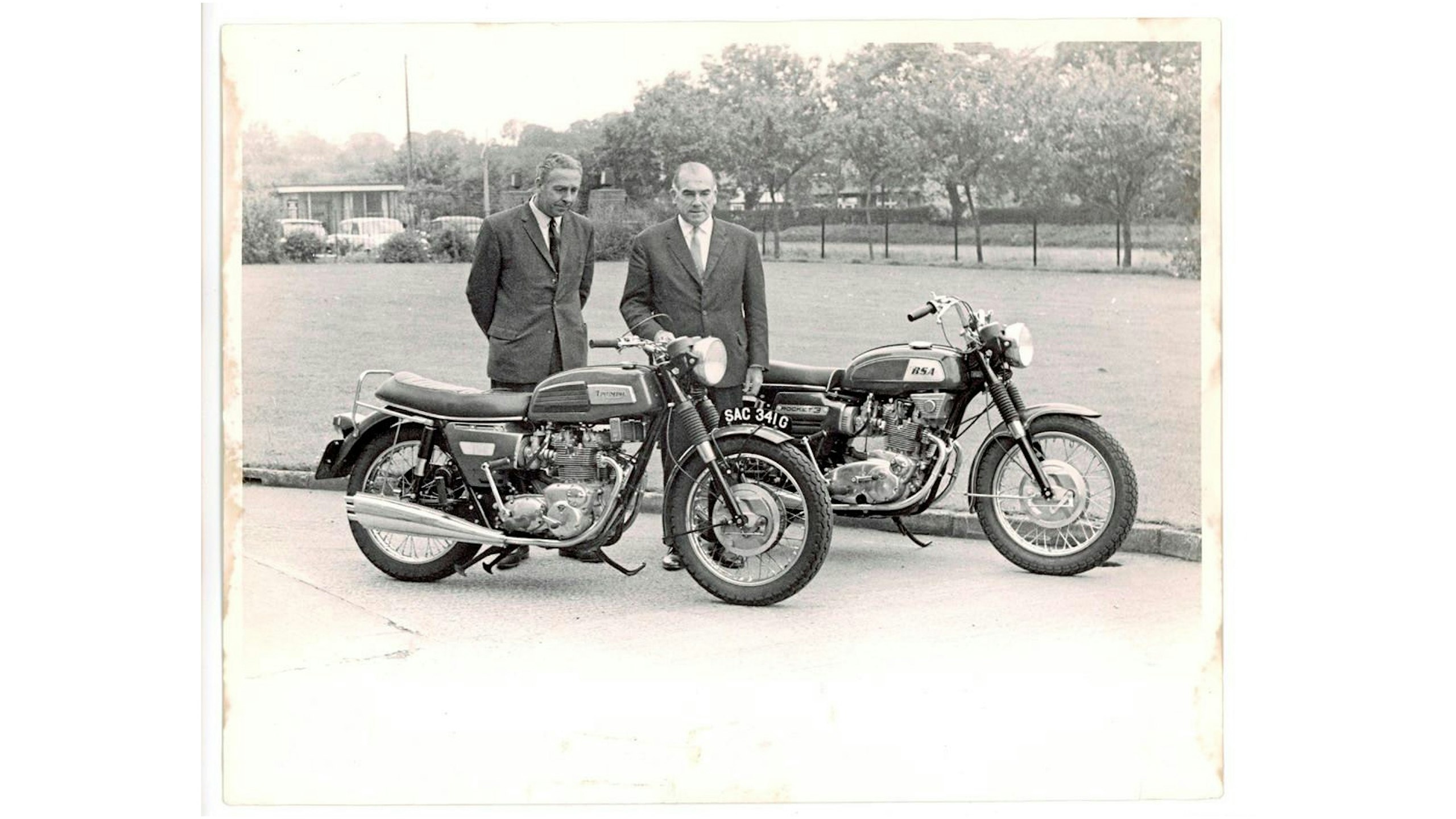
The Triumph was evolution. The new Honda was a revolution. Its disc brake, four cylinders, electric start and tip-top quality turned the Trident into old news overnight. Triumph’s first six months of production, including a BSA Rocket 3 version, was destined for the huge US market, but a letter from the gaffer at BSA Western in California brought concern: ‘We are just in the process of receiving our first reasonable shipments of BSA Rocket 3s, and we have been receiving order cancellations from our dealers simultaneously.’
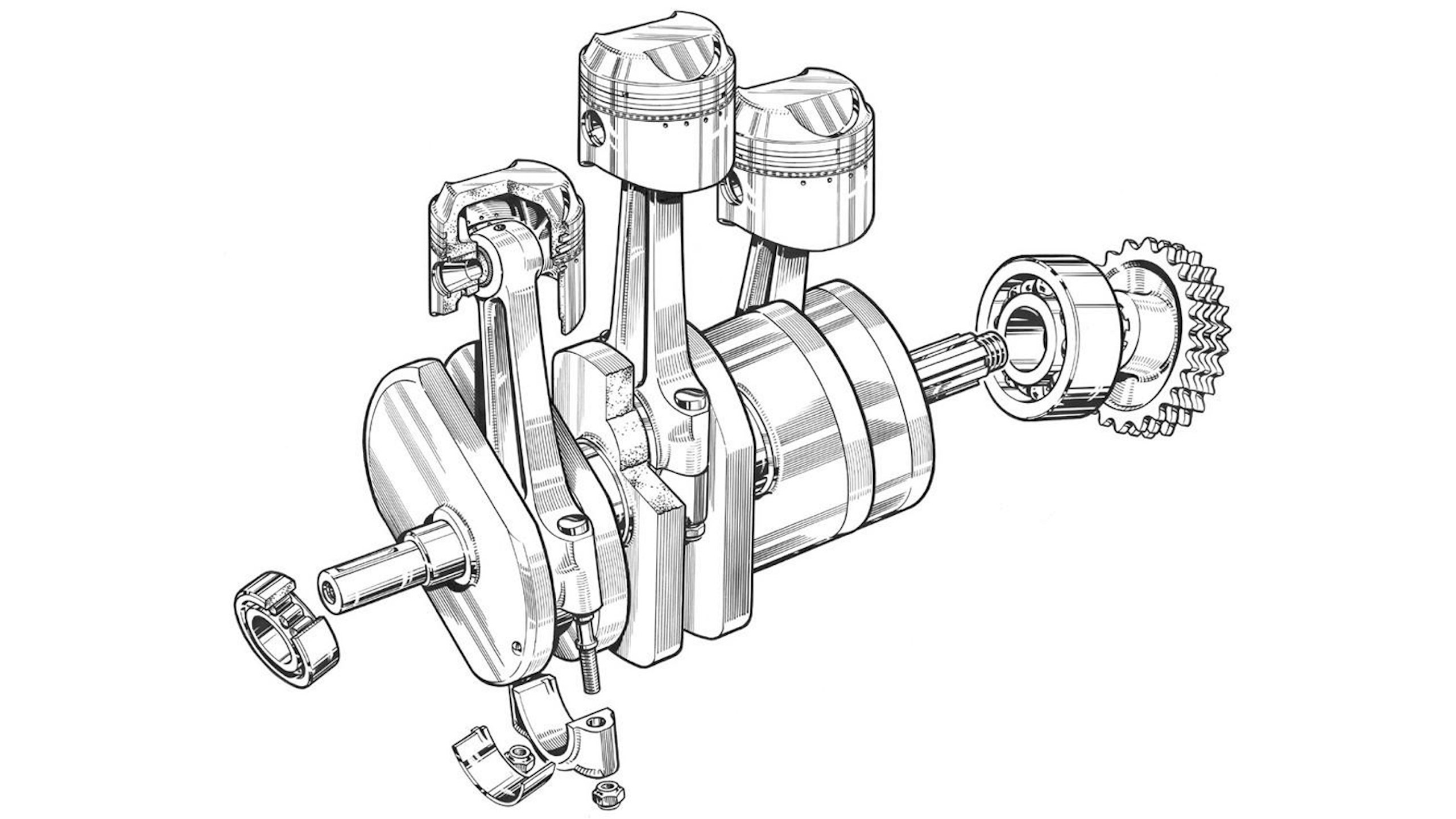
Many thought the triples would be hard to sell against the incoming CB750. Styling was criticised, as were oil leaks – Triumph considered horizontally split crankcases but stuck with an old vertically joined design, made from seven different castings. Manufacture was complicated, pricey, and not helped by the BSA using different cases to allow inclined cylinders and visual differentiation for brand-loyal buyers. It also used a weldedtogether twin-cradle frame; not the bolt-together Bonnie-derived design.
Costing $1750 in the US, 7000 triples (both brands combined) were sold in the first year of production. The Honda was $255 cheaper, and they flogged 30,000 in the US alone.
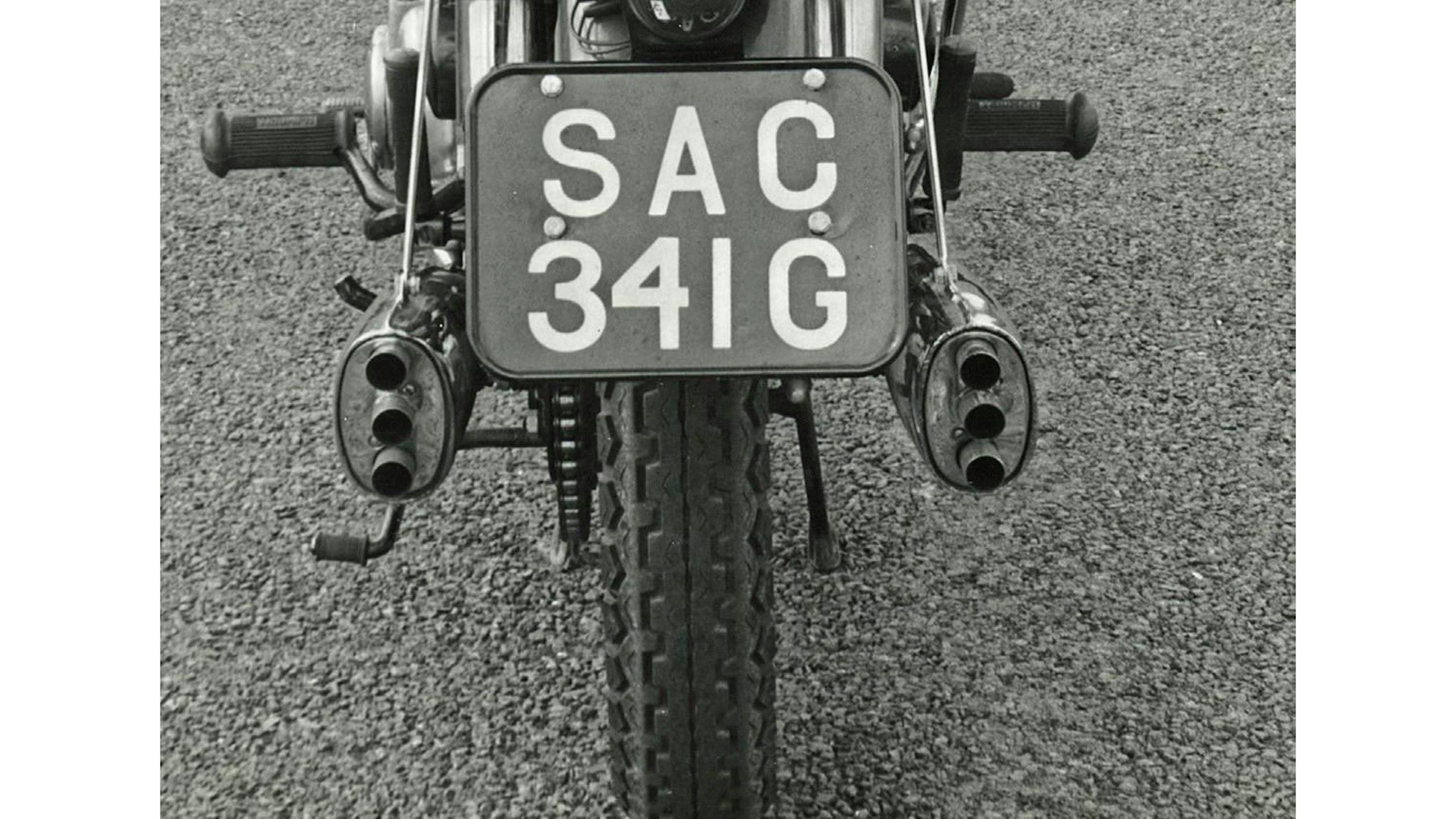
Triumph had to make hundreds of updates for 1970 and buy a new crank-grinding machine, but quality remained iffy thanks to supply and production woes. Traditionally shaped fuel tanks and exhausts had to be fitted to try to appease US customers who were still buying big Brit twins instead.
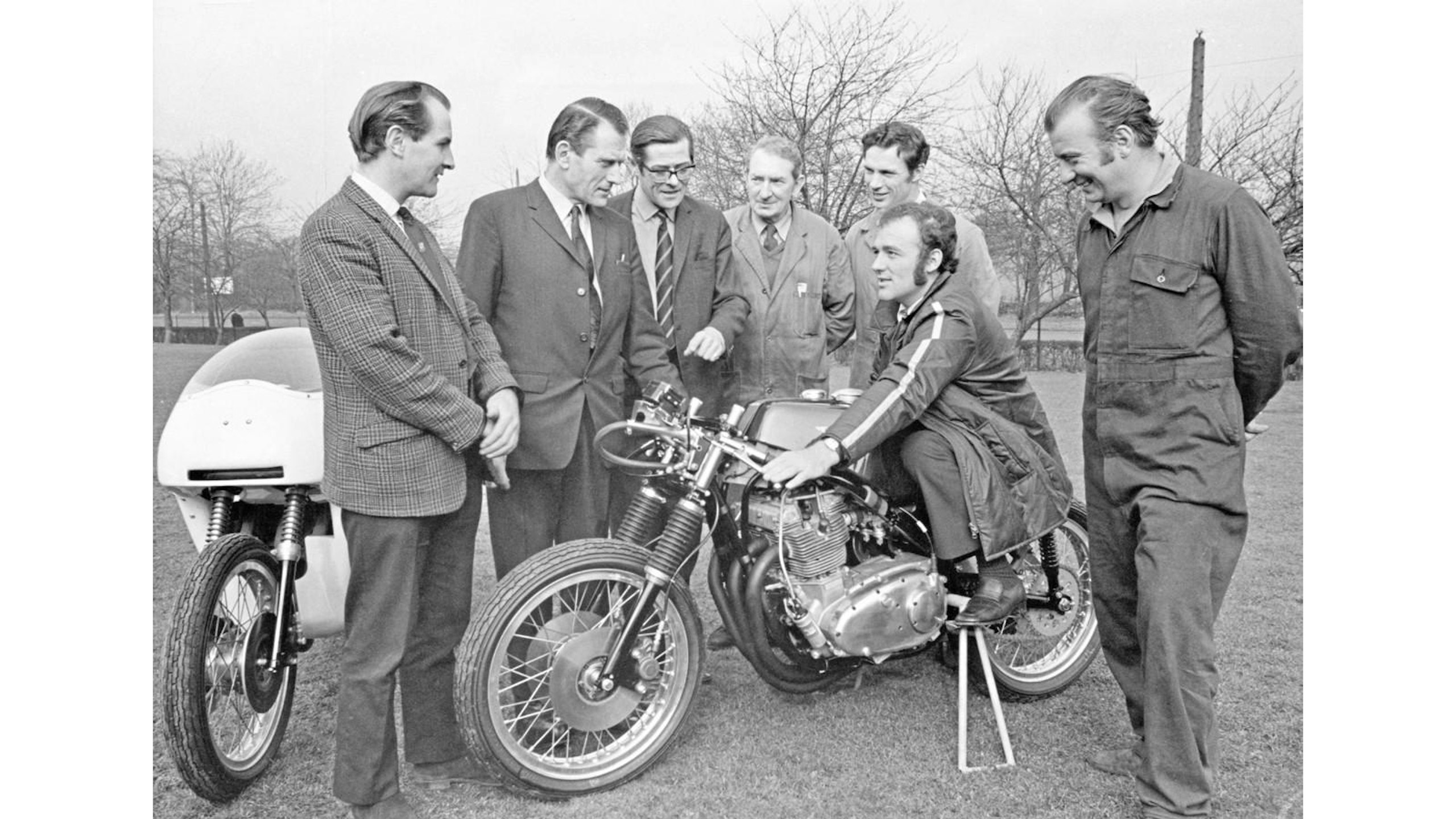
While the Trident was overshadowed within weeks of being launched and failed to make a showroom impact, it proved quite handy on a racetrack. With a rule change allowing overhead-valve 750s in the Daytona 200, almost $500,000 was poured into a joint Triumph and BSA race effort for 1970. The tuned motors gave 84bhp at a wailing 8250rpm through a Quaife five-speed gearbox. Rob North designed the frame, and an RAF wind tunnel was used to shape the fairing. Cash went on big-name riders too, including Mike Hailwood and Dave Aldana on the Beezas, and Gary Nixon and Gene Romero on the Triumphs.
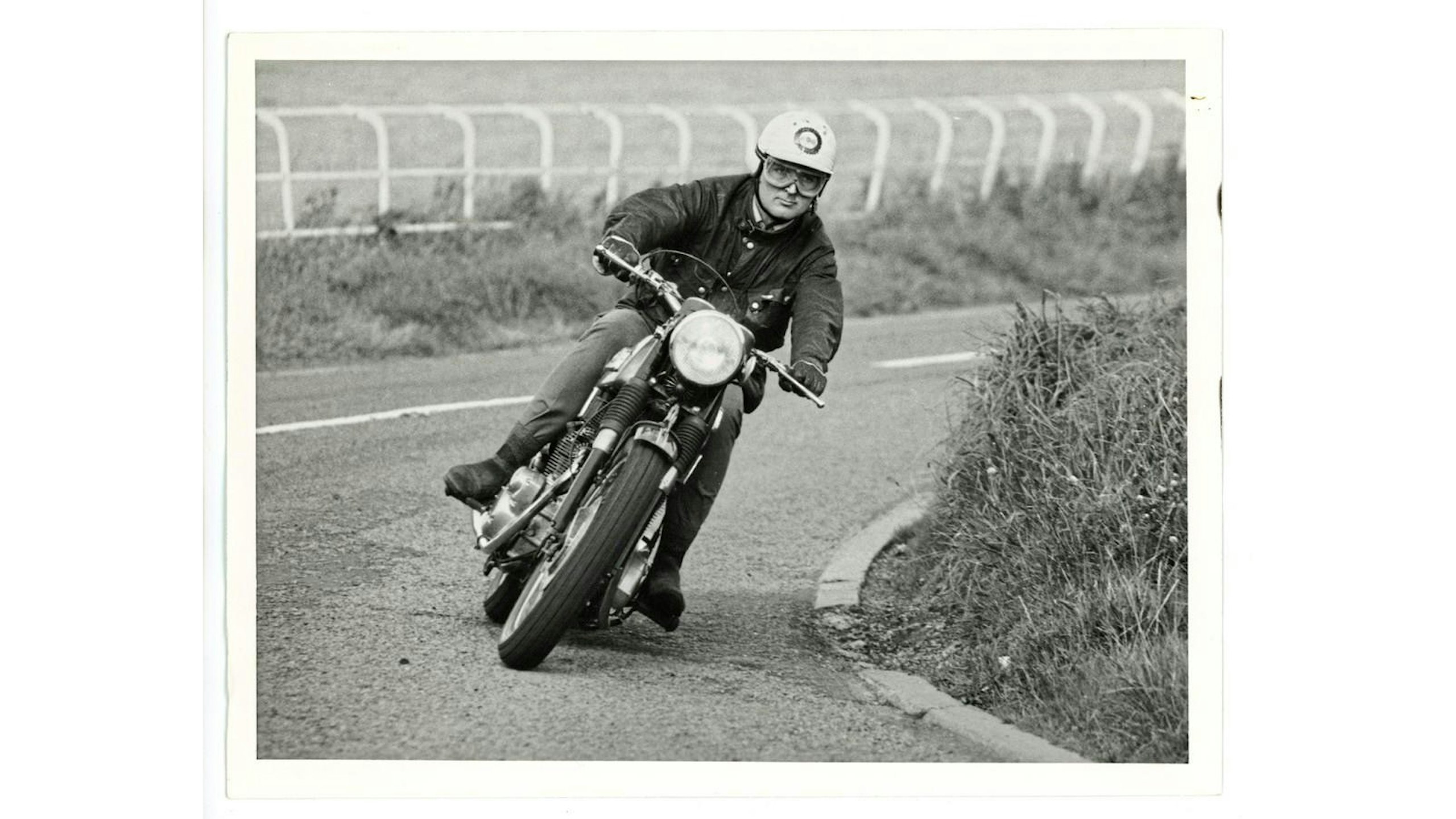
Romero’s qualifying lap was a staggering 5mph quicker than anyone else… but he came second in the race behind a certain four-cylinder Honda. However, the Production TT was won by Malcolm Uphill on a Trident, while Paul Smart and Tom Dickie came first in the 1970 24-hour Bol d’Or endurance race.
With the potential of the triple confirmed, they went all out at Daytona in ’71. The factory bikes got a reworked and repositioned engine, revised geometry and new Lockheed disc brakes, while Tom Rockwood, Don Emde, Smart and Dick Mann (who’d won on that pesky Honda) joined the all-star squad. Blown motors stopped Hailwood and Smart, but canny Mann decided to limit his BSA to 7800rpm and not the 8250rpm the team considered safe. He won. With Romero second (Triumph) and Emde third (BSA), it was a podium lock-out by the British effort.
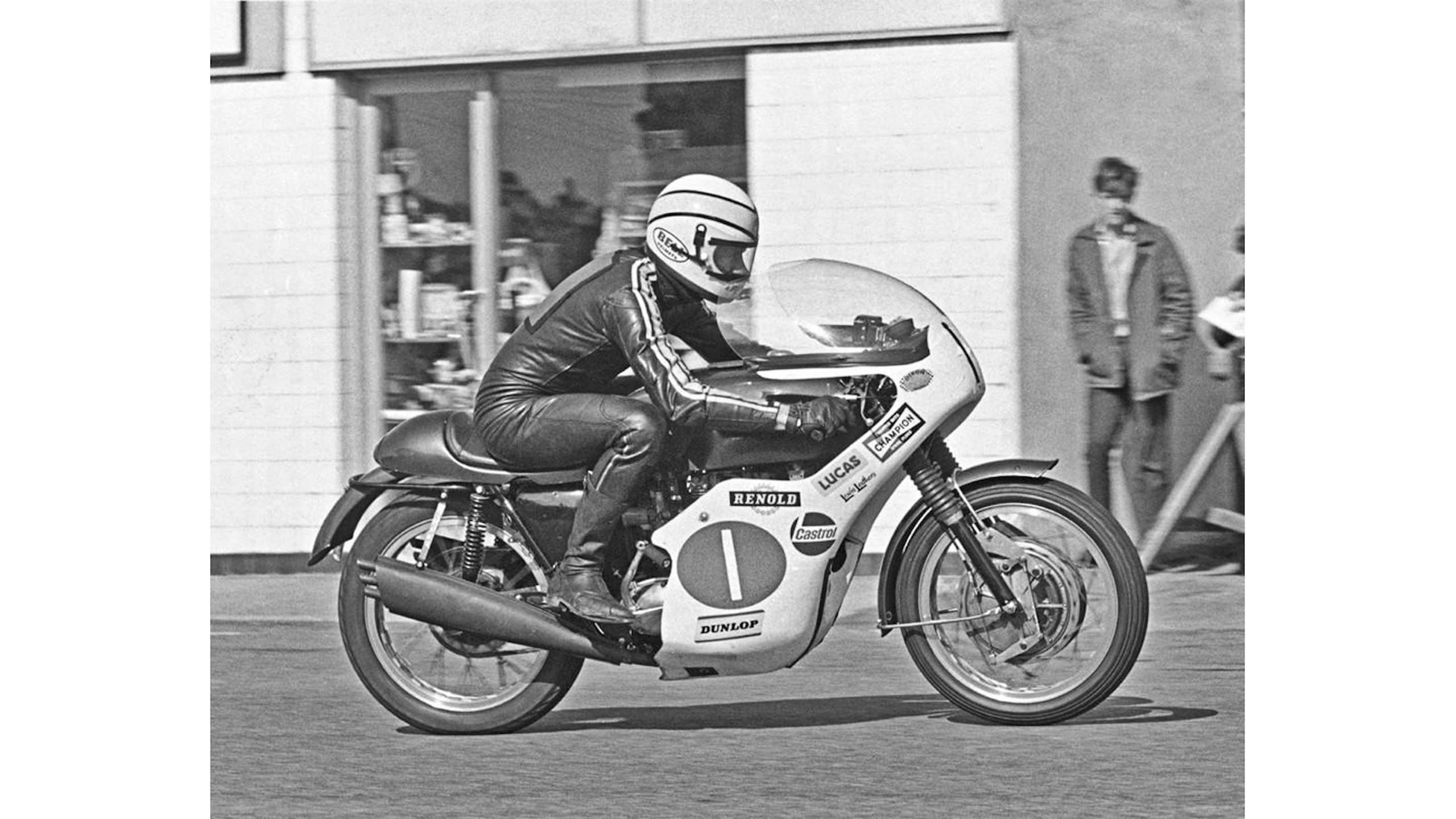
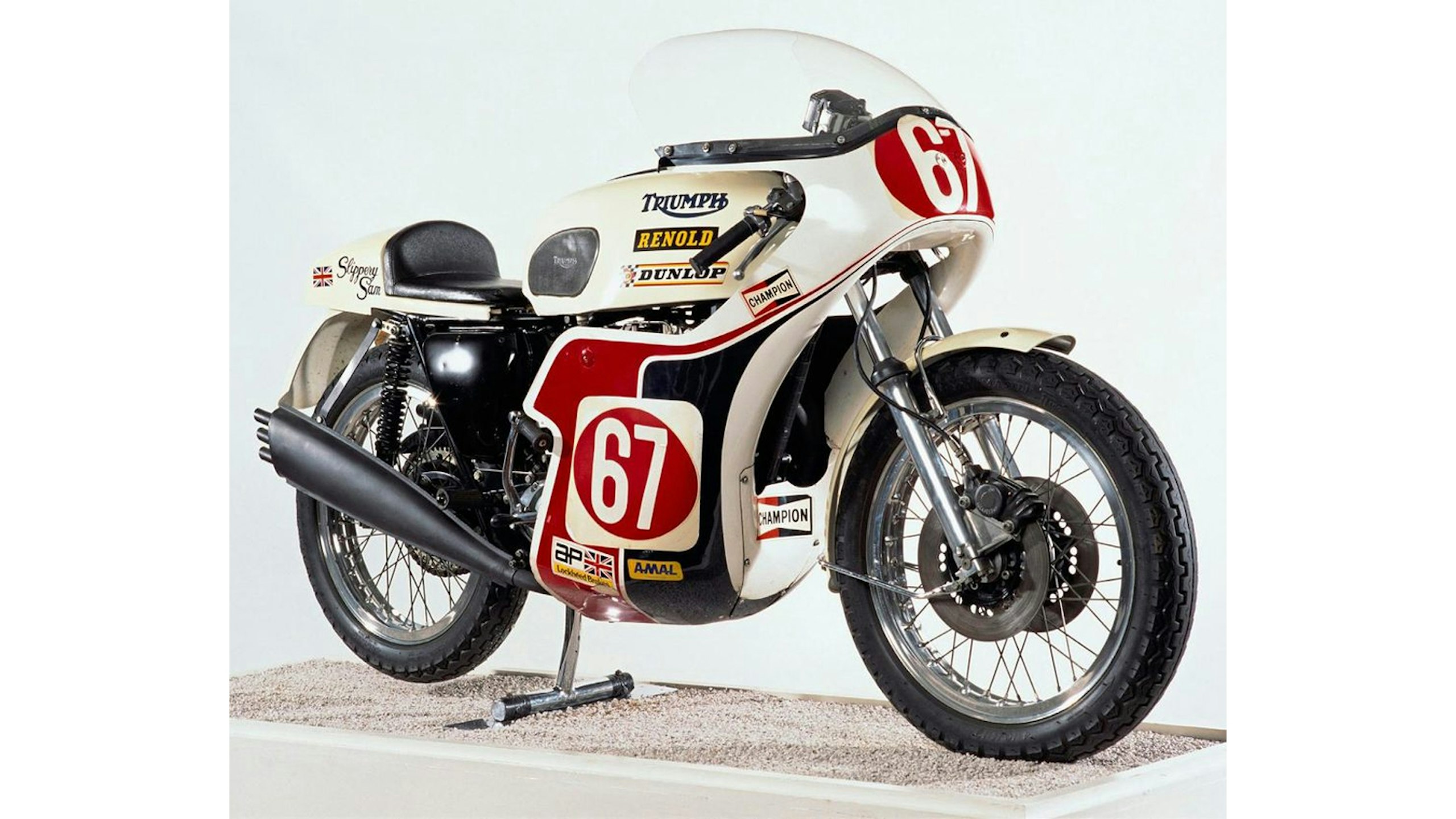
More success came thick and fast. At the 1971 Anglo-American Match Races (later renamed the Transatlantic Trophy) the home team all used works triples and dominated the races at Mallory Park, Brands Hatch and Oulton Park. At the Isle of Man, the headline F750 race was won by Tony Jefferies on a Trident, and Ray Pickrell won the Production TT on another known as Slippery Sam (after coating Percy Tait and Steve Jolly with oil at the 1970 Bol d’Or) – the first of five consecutive TT class wins. Triumph and BSA triples dominated on short circuits in the British 750 Championship. They were victorious at the Bol again, too.
All in all, 1971 proved the firm’s most successful year of tarmac racing – and it was all thanks to their first three-cylinder road bike. Honda’s CB750 may be known as ‘the original superbike’ today, but it was beaten into production by the Trident T150, then beaten on the track by it too.